The ITA Initiative strives to:
- Promote collaborations and disseminate research through symposia and workshops at national and international autism and technology conferences;
- Actively recruit new investigators to the field through student outreach programs (university courses, internships, conference workshops, student design competitions);
- Team technology developers with autism experts (caregivers, educators, professionals, and persons with autism) to guide research and ensure acceptability and utility;
- Establish standards of excellence and rigorous evaluation processes of new technologies;
Examples of existing and possible technologies that ITA supports include:
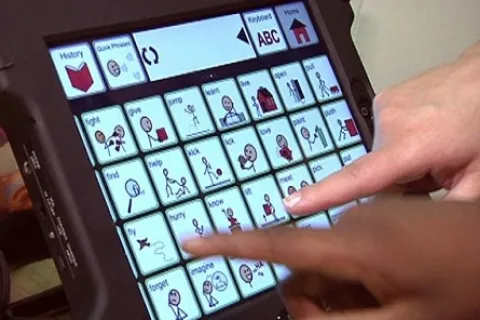
Assistive technologies, such as communication aids that provide a voice for those who cannot speak, activity prompters that provide cues for completing day-to-day tasks, and wearable bio-sensors that provide information necessary for individuals with autism to self-regulate behavior;
- Educational products, such as computerized games that teach math, reading, writing, and social skills;
- Rehabilitation technologies, such as virtual reality environments that could improve body awareness and motor planning, and sociable robots and virtual peers that help promote social skills development;
- Data capture and telecommunication technologies that make it easier for assistance networks (parents, specialists, doctors, teachers) to share information and produce consistent evaluations and interventions for persons with autism;
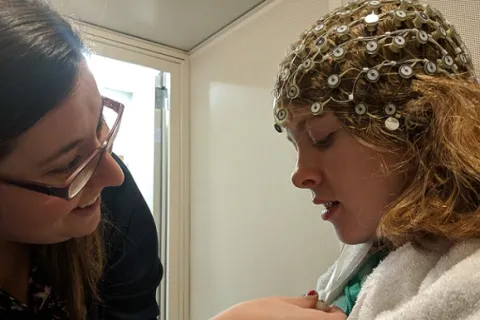
- Tools that aid in the search to understand autism better, such as lab equipment, informatics, and assessment tools.